




Việt Nam is seeking to unlock new growth drivers, expand its development space and strengthen the marine economy under a new set of long-term Party resolutions.
Việt Nam''s next growth model should be built on three interconnected engines – next-generation industrialisation, smart urbanisation and deeper global integration – with AI and innovation serving as key enablers, economist Nguyễn Bích Lâm says.
Organised by the Australia-ASEAN Business Forum (AABF), the event will focus on boosting cooperation in energy, digital technology, agriculture and innovation amid growing bilateral relations.
Vietnam’s economy remains resilient, but deeper reliance on key markets raises concerns, according to a senior country risk analyst at BMI, a unit of Fitch Solutions.
The Vietnam Economic Forum 2026 in Hà Nội gathered policy makers and researchers to discuss the urgency of reshaping the country’s development strategy amid fast-changing global and domestic conditions.
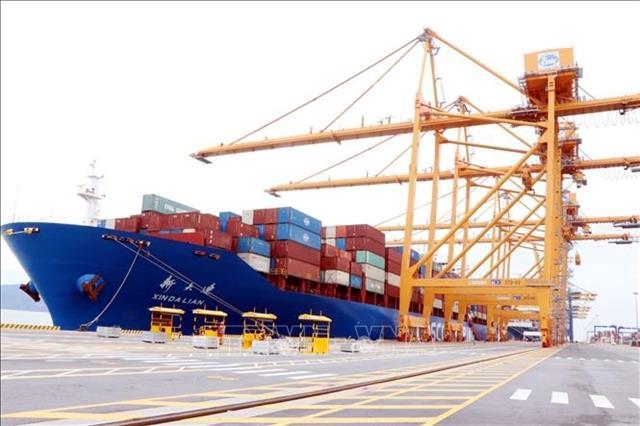
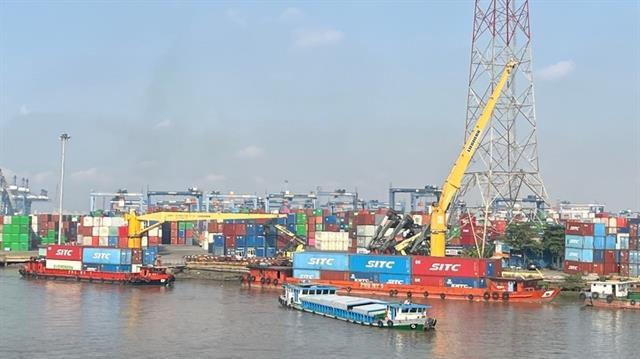
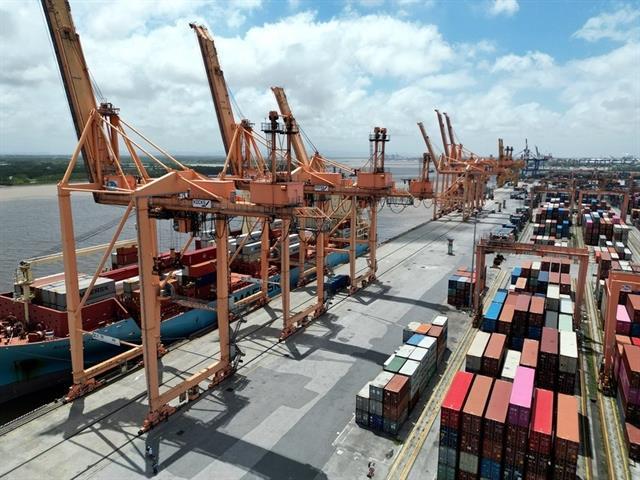
Việt Nam’s total trade reached more than US$930 billion in 2025, up 18.2 per cent year on year, with a trade surplus of $20 billion, according to the National Statistics Office (NSO).
Việt Nam’s economy is on track to close 2025 on a strong footing, having maintained macroeconomic stability, fostered a favourable business environment and sustained market confidence.
Việt Nam enjoyed a trade surplus of $20.53 billion in the first 11 months of 2025, the National Statistics Office (NSO) under the Ministry of Finance reported on December 6.
The humanitarian aid aims to assist communities impacted by heavy rainfall and two consecutive storms - Typhoon Bualoi and Typhoon Matmo - in late September and early October, which caused significant infrastructure damage and human losses.
Việt Nam’s total import-export turnover in 2025 is expected to reach a new milestone of around US$900 billion, according to the Ministry of Industry and Trade (MoIT).
This trend, characterised by significant fundraising activities through stock issuance and initial public offerings (IPOs), highlights the ambitious strategies of various securities firms.
On the import side, computers, electronics and components led with a value of US$6.55 billion, followed by machinery and spare parts at US$2.7 billion.
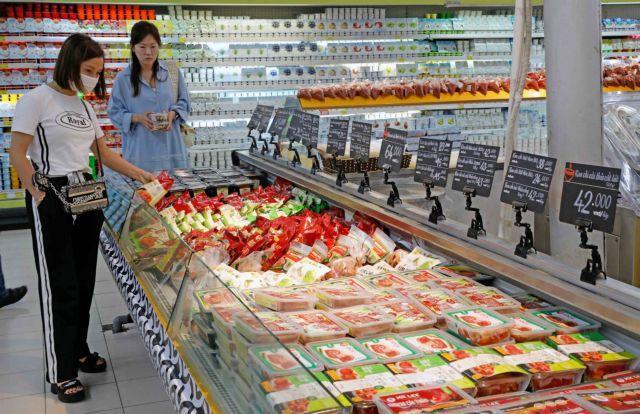
Unless the final consumption figure is fractionated, the effectiveness of consumption stimulus policies is not correctly assessed. A lack of disaggregated statistics can prevent sufficiently deep assessments from being a basis for good policies and meaningful stimulation measures.